The short answer
Autumn (late September to November) is the most reliable time to trek in Nepal — stable weather, clean air after the monsoon, and the clearest mountain views of the year. Spring (March to May) is a close second, warmer, with rhododendron forests in bloom and the Everest climbing season giving Base Camp real atmosphere.
Those two windows carry the great majority of trekkers, and everything below is really about the trade-offs at their edges.
Autumn — September to November
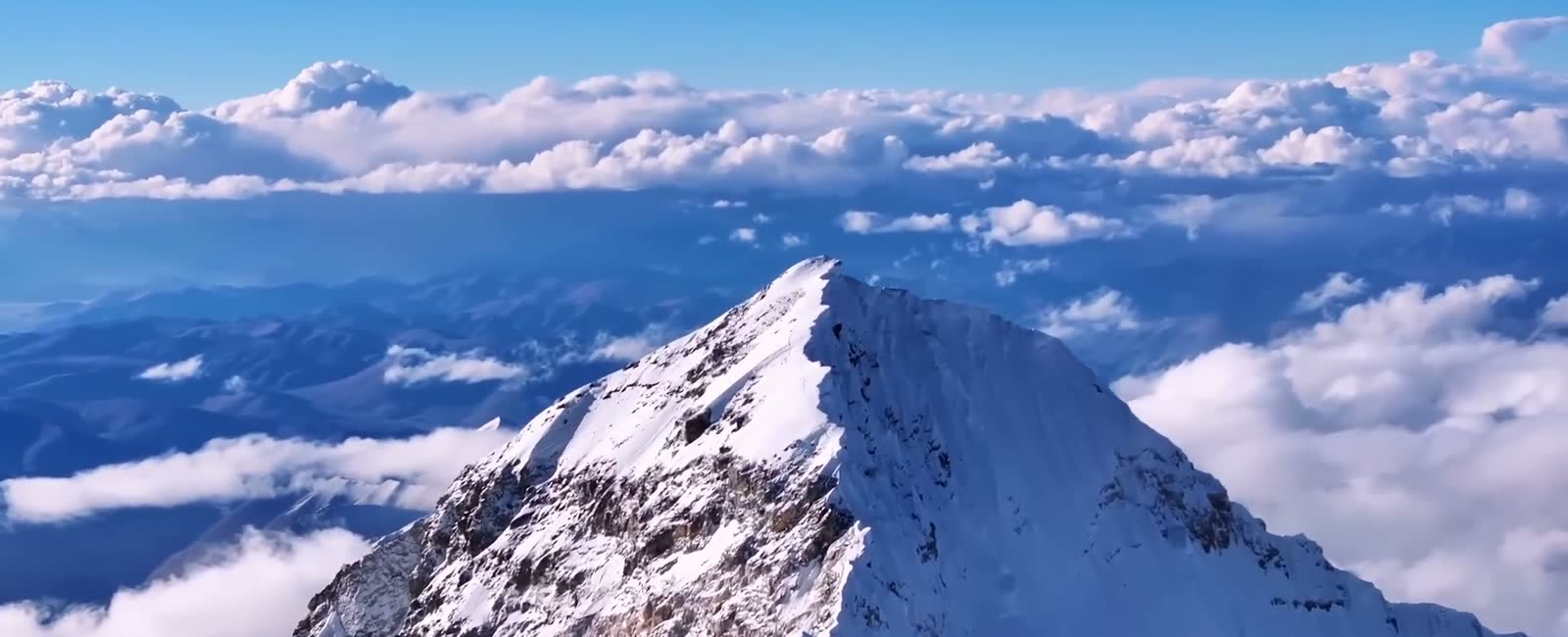
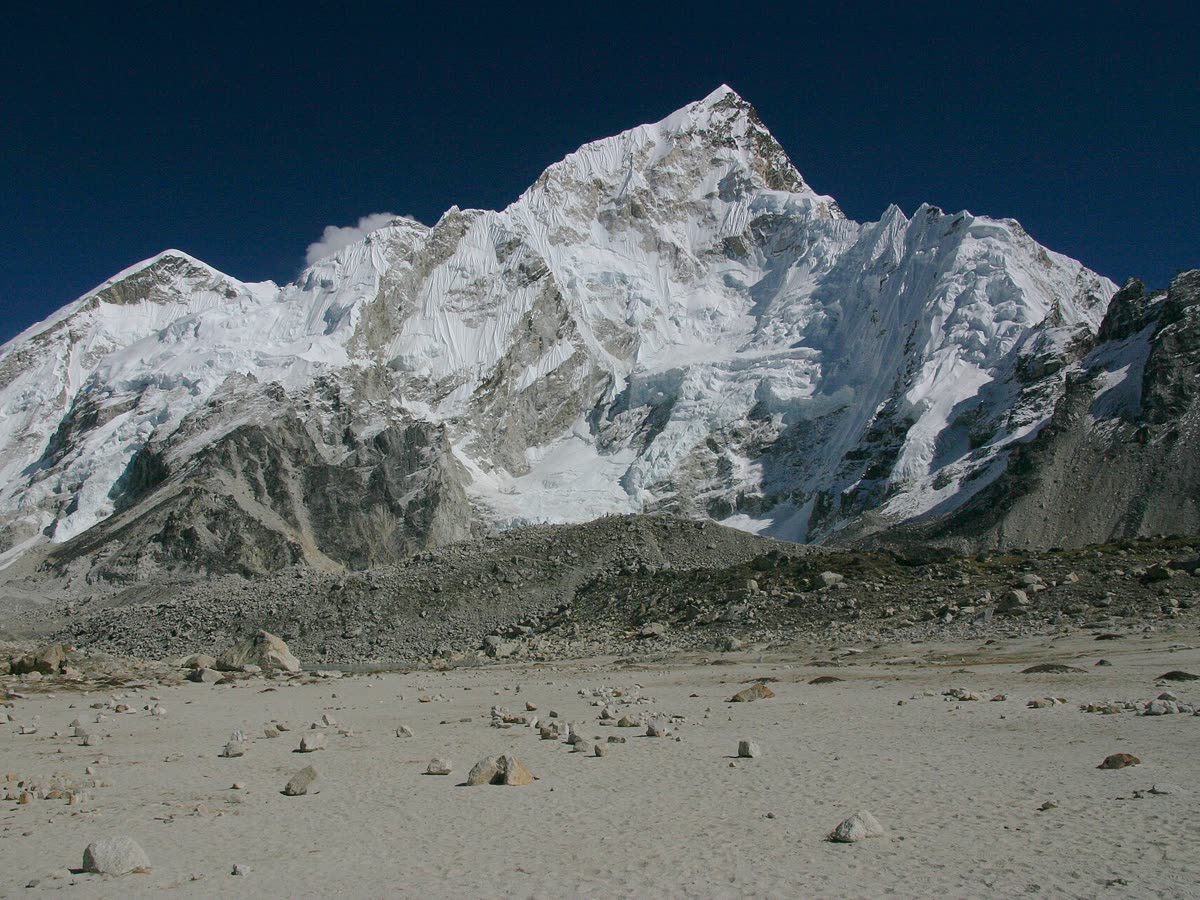
The monsoon washes the dust out of the air, and what follows is visibility you don't get at any other time of year. Days are mild, nights get cold as the season goes on, and the weather is about as predictable as the Himalaya offers.
The trade-off is company. October is the busiest month on the popular routes; Namche and Gorak Shep lodges fill, and on the narrow sections you'll walk in a queue. Late November thins out considerably, gets colder, and stays beautifully clear.
- Best for: mountain views, dependable weather, first-time trekkers
- Watch out for: crowds in October, booking lodges late, cold nights from mid-November
Spring — March to May
Warmer than autumn, and the lower valleys are genuinely lovely — rhododendron forest in full bloom through late March and April, particularly on the Annapurna routes and around Ghorepani.
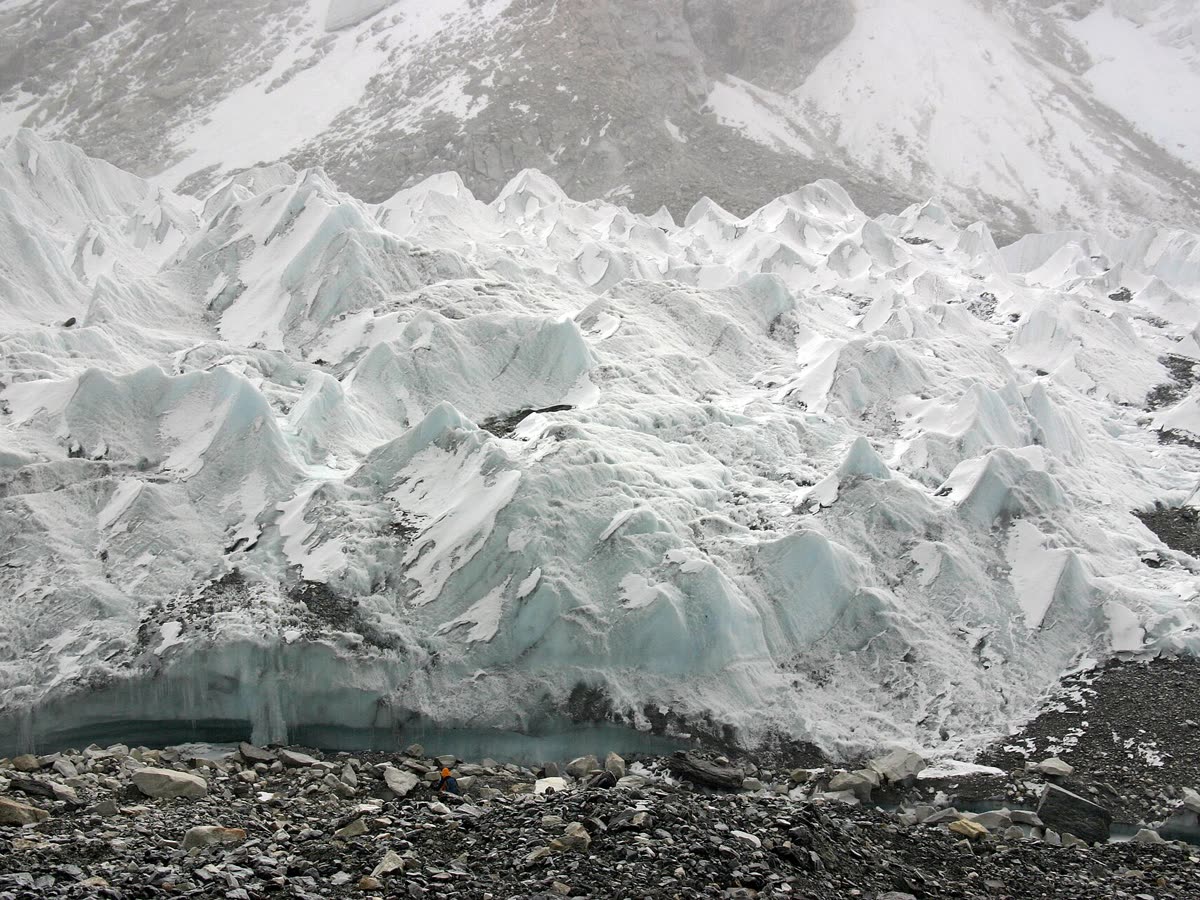
Everest Base Camp is a different place in spring: the expedition teams are in residence, the camp is a small city of tents, and the icefall is being worked daily. That's the season to go if you want to see the mountain being climbed rather than just looked at.
The trade-off is haze. As spring progresses, heat builds in the valleys and the far views soften. April afternoons often cloud over — morning starts matter more than in autumn.
- Best for: flowers, warmth, Base Camp atmosphere, longer days
- Watch out for: afternoon haze and cloud, warmer low-altitude walking
Winter — December to February
Underrated, with real caveats. The air is crisp and the views can be extraordinary. The trails are quiet in a way they simply never are in October, and lodge prices soften.
But it is cold — nights at Gorak Shep can hit −20 °C, some high lodges close for the season, and high passes such as the Larkya La on Manaslu or Thorong La on the Annapurna Circuit can be blocked by snow.
Good winter choices: Ghorepani Poon Hill, the lower Everest valley as far as Namche or Tengboche, and day walks around Pokhara. Save the high passes for another season.
Monsoon — June to early September
The season most people write off, and mostly they're right: rain, cloud, leeches on the lower trails, landslides on the roads, and flights to Lukla cancelled for days at a stretch.
Except in the rain shadow. Upper Mustang and Dolpo sit behind the main Himalayan wall, which catches the weather before it reaches them. They stay dry and trekkable while the rest of the country is underwater — and they're at their most vivid in summer, with the Tishi festival at Lo Manthang and green barley terraces set against red desert cliffs.
Don't force an Everest trek into the monsoon. Go to Upper Mustang instead — it's the one region where summer is genuinely the right time to visit.
Season at a glance
| Season | Views | Crowds | Temperature | Best regions |
|---|---|---|---|---|
| Mar–May | Good, hazier later | Busy | Mild to warm | Everest, Annapurna, Manaslu |
| Jun–Sep | Poor | Very quiet | Warm, wet | Upper Mustang, Dolpo |
| Late Sep–Nov | Excellent | Busiest in Oct | Mild, cold nights | All routes |
| Dec–Feb | Excellent | Very quiet | Cold | Poon Hill, lower Khumbu |
One practical warning about Lukla
Flights to Lukla are weather-dependent and cancellations are routine, not exceptional — most often in the monsoon, but possible in any season. Fog in the Khumbu or low cloud in Kathmandu will ground everything for the day.
Build in two spare days at the end of any Everest itinerary. Trekkers who book an international flight for the evening they're due back in Kathmandu are the ones paying for a last-minute helicopter. It's the single most common planning mistake we see.